
Curated Articles
What are the benefits of conducting process dynamic simulation?
December 3, 2023 - Reading time: 3 minutes

Process dynamics simulation of a chemical plant refers to the use of computational models and software to simulate the behaviour and performance of a chemical plant over time. Generally, it involves creating mathematical models that represent the physical and chemical processes occurring in the plant. These models may include mass and energy balances, reaction kinetics, transport phenomena and thermodynamic properties of the materials involved. It is a crucial tool in the field of chemical engineering, helping engineers and operators understand the dynamic behaviour of complex chemical processes under various operating conditions. The simulation allows them to predict how the plant will respond, even before the plant is built, to changes in inputs, disturbances and/or equipment performance.
What are the challenges of designing a chemical plant?
September 2, 2023 - Reading time: 2 minutes
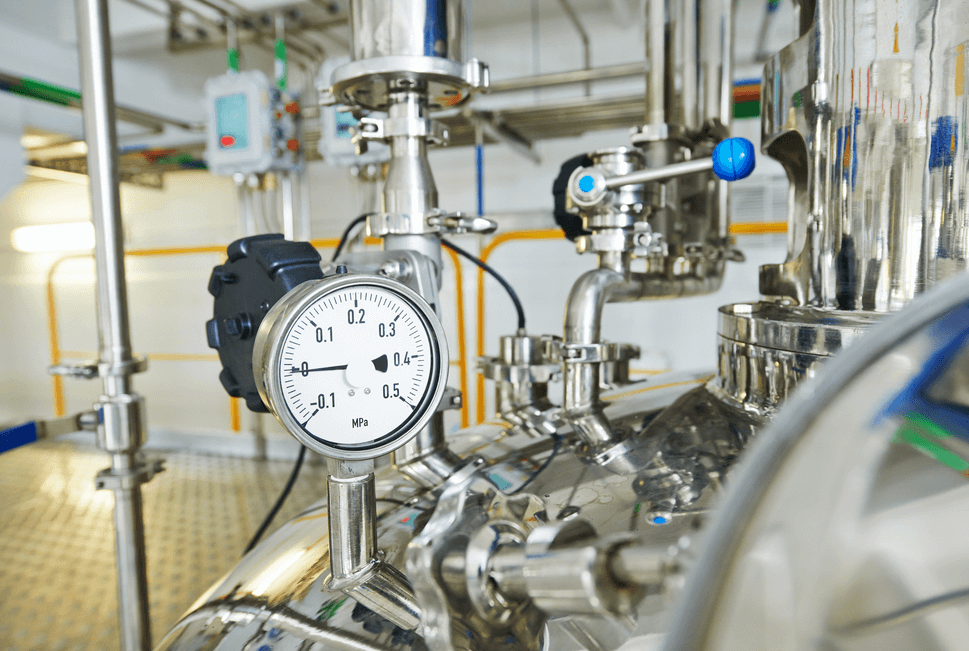
Designing a chemical plant is a complex and multifaceted process that involves various challenges and considerations. Several of the key challenges are listed below:
Plant Hazard Mitigation: Ensuring the safety of both workers and the surrounding environment is the number one priority. Chemical plants handle hazardous materials and the risk of incidents, such as chemical spills or explosions, must be minimized through conducting thorough risk assessments to identify and mitigate, if not eliminate, potential hazards.
Process Engineering Design: Developing efficient and cost-effective chemical processes is a fundamental aspect of plant design. Engineers must optimize reaction kinetics, mass and energy balances and process flows to maximize production while minimizing waste and energy consumption.
Process Dynamics Control: Developing effective process control systems is crucial for maintaining product quality, safety and efficiency. This involves designing control loops, instrumentation and automation systems that can handle complex chemical processes.
HQ NextPCB Introduces New PCB Gerber Viewer: HQDFM Online Lite Edition
July 31, 2023 - Reading time: 3 minutes
HQ NextPCB is proud to announce the release of HQDFM Online Gerber Viewer and DFM Analysis Tool, free for everyone. With HQDFM, NextPCB hopes to empower designers with the DFM tools and knowledge to perfect their designs as early as possible, where problems are the least costly.

Determining economic pipe diameter
June 11, 2023 - Reading time: 3 minutes
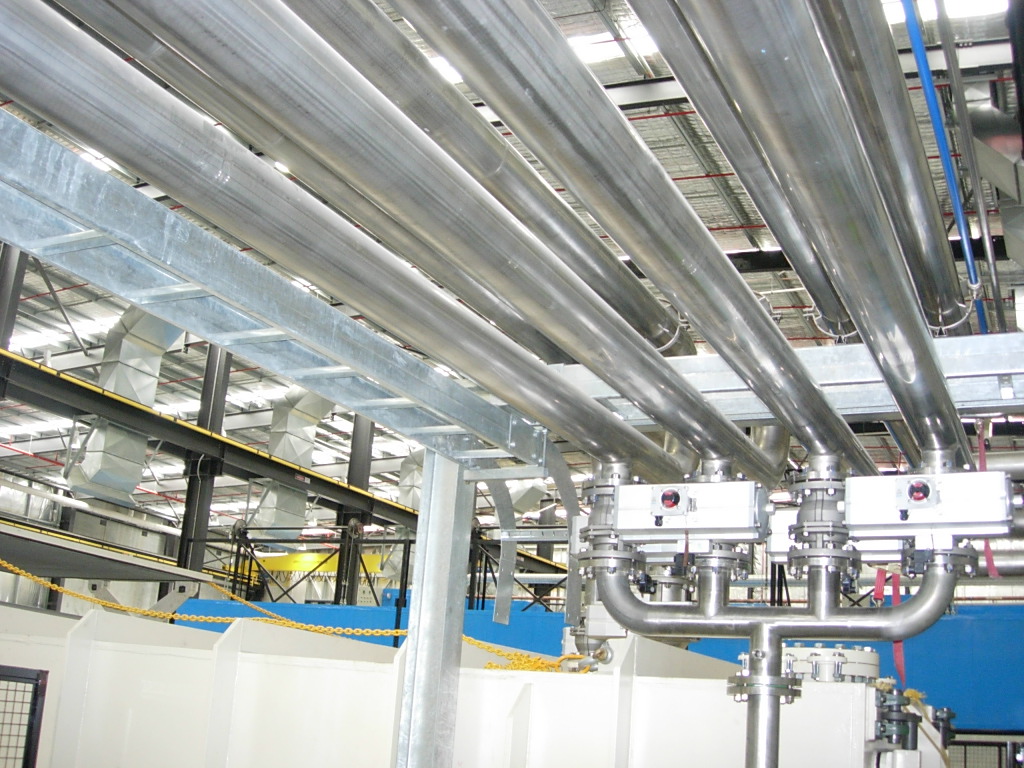
Determining the economic pipe diameter involves considering various factors such as the flow rate, pressure drop, material costs and operating costs.