Biology:Periploca graeca
From HandWiki
Short description: Species of vine
| Silkvine | |
|---|---|

| |
| Periploca graeca [1] | |
Scientific classification 
| |
| Kingdom: | Plantae |
| Clade: | Tracheophytes |
| Clade: | Angiosperms |
| Clade: | Eudicots |
| Clade: | Asterids |
| Order: | Gentianales |
| Family: | Apocynaceae |
| Genus: | Periploca |
| Species: | P. graeca
|
| Binomial name | |
| Periploca graeca | |
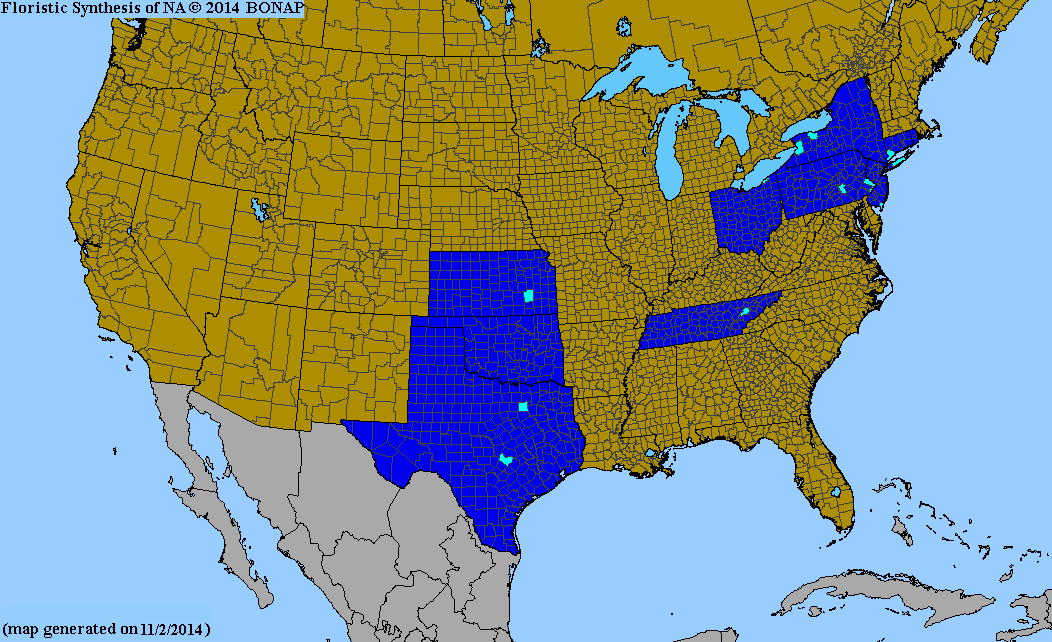
Periploca graeca, the silkvine, is an ornamental plant in the family Apocynaceae. It is native to southern Europe and the Middle East, and is sparingly naturalized in scattered locations in the eastern United States.[2][3][4][5]
The bark of Periploca graeca contains the toxic cardenolide glycoside periplocin with activity similar to digitoxin. The essential oil of the stem bark contains the fragrant phenolic compound 2-hydroxy-4-methoxybenzaldehyde, a positional isomer of vanillin.[6]
References
- ↑ 1824 illustration from Sydenham Edwards, Botanical Register: Consisting of Coloured Figures of Exotic Plants, Cultivated in British Gardens, 1824
- ↑ Pink, A. (2004). Gardening for the Million. Project Gutenberg Literary Archive Foundation. https://www.gutenberg.org/ebooks/11892.
- ↑ "Periploca graeca (silkvine)", Go Botany (New England Wildflower Society), https://gobotany.nativeplanttrust.org/species/Periploca/graeca/
- ↑ Altervista Flora Italiana, Periploca Maggiore, Periploca graeca L. includes distribution maps for Europe + North America
- ↑ "Periploca graeca", County-level distribution map from the North American Plant Atlas (NAPA) (Biota of North America Program (BONAP)), 2014, http://bonap.net/MapGallery/County/Periploca%20graeca.png
- ↑ Huang, Mingjin; Shen, Shoumao; Luo, Chunli; Ren, Yan (2019). "Genus Periploca (Apocynaceae): A Review of Its Classification, Phytochemistry, Biological Activities and Toxicology". Molecules 24 (15): 2749. doi:10.3390/molecules24152749. PMID 31362394.
External links
- Periploca graeca photo
- Periploca graeca - ibiblio.org
Wikidata ☰ Q632142 entry
 |  |